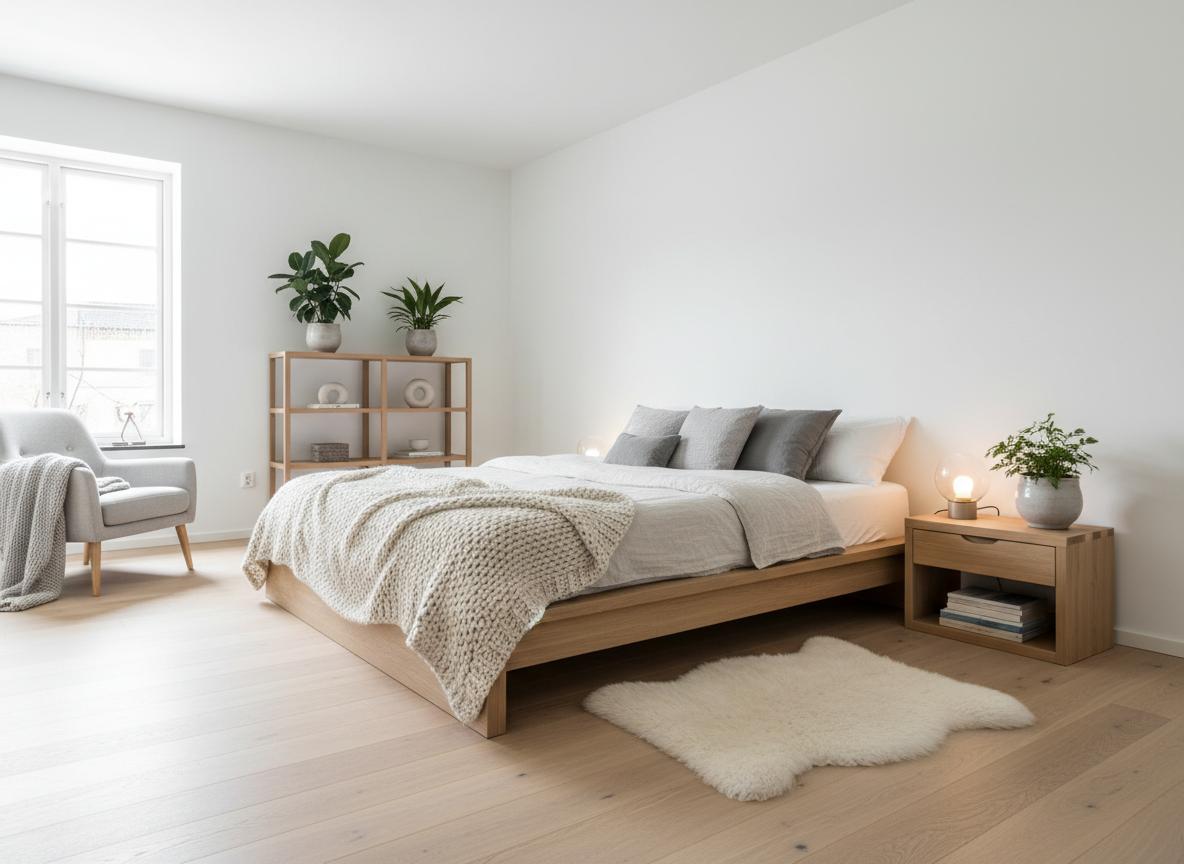
AI Virtual Staging for Real Estate: Complete Guide

AI virtual staging is becoming a practical workflow for agents, marketers, and photographers who need stronger listing visuals without the cost and lead time of physical staging.
Why agents use AI virtual staging
Virtual staging helps buyers imagine a room more easily, especially when the original photo is empty, dated, or visually confusing. AI makes that process faster and more scalable, which is why it is increasingly useful for everyday listing workflows.
When to use staging vs walkthrough concepts
Static staging is often enough for gallery images, while walkthrough concepts are stronger for listing presentations, high-touch follow-up, or premium property marketing. Both can start from the same source photo.
What to prepare before you upload
- High-resolution listing photos with a clear view of layout and openings.
- A style direction that fits the target buyer and local market.
- A disclosure policy that matches your MLS and ad requirements.
Key Takeaways
Listing Photo Workflow
Understand which photos perform best for AI staging and how to structure a repeatable listing process.
Marketing Use Cases
Use staging visuals across listing portals, social campaigns, email follow-up, and client presentations.
Disclosure Awareness
Know when to label virtually staged images and how to keep original photos alongside enhanced variants.
Frequently Asked Questions
Can AI virtual staging replace physical staging entirely?
It can replace it for many marketing use cases, but premium listings and in-person open houses may still benefit from physical staging.
Can I use virtual staging on outdated furnished rooms?
Yes. AI staging can help refresh older interiors visually, not just furnish completely empty rooms.